How many rest days do you need per week?
Plan rest days around your workload, the muscle groups trained and your recovery needs. There is no universal weekly count. Space demanding sessions and adjust the plan when symptoms, energy or performance change.
I develop Forma, which is mentioned in this guide.
In this guide
Why there's no universal number
A generic "rest two days a week" rule ignores the two things that actually determine how much recovery you need: how much you're training, and how prepared your body is for that load. Someone doing three moderate sessions a week and someone doing six intense ones don't need the same amount of rest, even though both might be following a "balanced" routine on paper.
What actually determines how much rest you need
- Training volume and intensity. More sets, heavier loads, or longer sessions generally require more recovery time than a lighter routine.
- Training experience. Beginners often need more full rest days while they're adapting to new movements and loads; experienced trainees can often handle more frequent sessions on the same muscle groups.
- How training is split. A routine that spreads work across different muscle groups on different days needs less full-body rest than one that stresses the same muscles every session.
- Sleep, stress and nutrition. Recovery doesn't only happen in the gym. Poor sleep or a stressful period reduces how much training your body can absorb, even if the workouts themselves haven't changed.
- Goals. Building strength or muscle generally benefits from more structured rest around hard sessions than general fitness or light cardio work.
Full rest vs active recovery
A rest day doesn't have to mean doing nothing. Many people do well alternating full rest days with active recovery, light walking, easy cycling, mobility work or a gentle swim, that keeps the body moving without adding meaningful training stress. Active recovery can also make the following day's session feel better for some people, though it's not a substitute for full rest when fatigue is building up.
A practical starting point
For strength training, Mayo Clinic advises a full day of rest between sessions for the same muscle group. Apply that as a general starting point alongside workload and symptoms, not as a universal weekly rest-day count.
Signs you need more rest
A persistent decline in performance, fatigue or symptoms calls for a review of workload and recovery. These signs are not specific to overtraining. Seek qualified advice if they persist or concern you.
Space the sessions before counting rest days
Illustrative schedule: strength sessions on Monday, Wednesday and Friday, with four days without strength training. Those days can include comfortable ordinary activity rather than complete inactivity. This example is not a prescription for every athlete. Training the same muscle groups, changing workload and recovery needs matter more than hitting a fixed rest-day number.
Limits and warning signs
This is general information, not an individual assessment. Stop for sharp, unusual or worsening pain. Severe muscle pain, weakness or dark urine after exertion need immediate medical attention. Persistent fatigue or falling performance can have causes beyond the training schedule; seek qualified advice rather than relying on an app estimate.
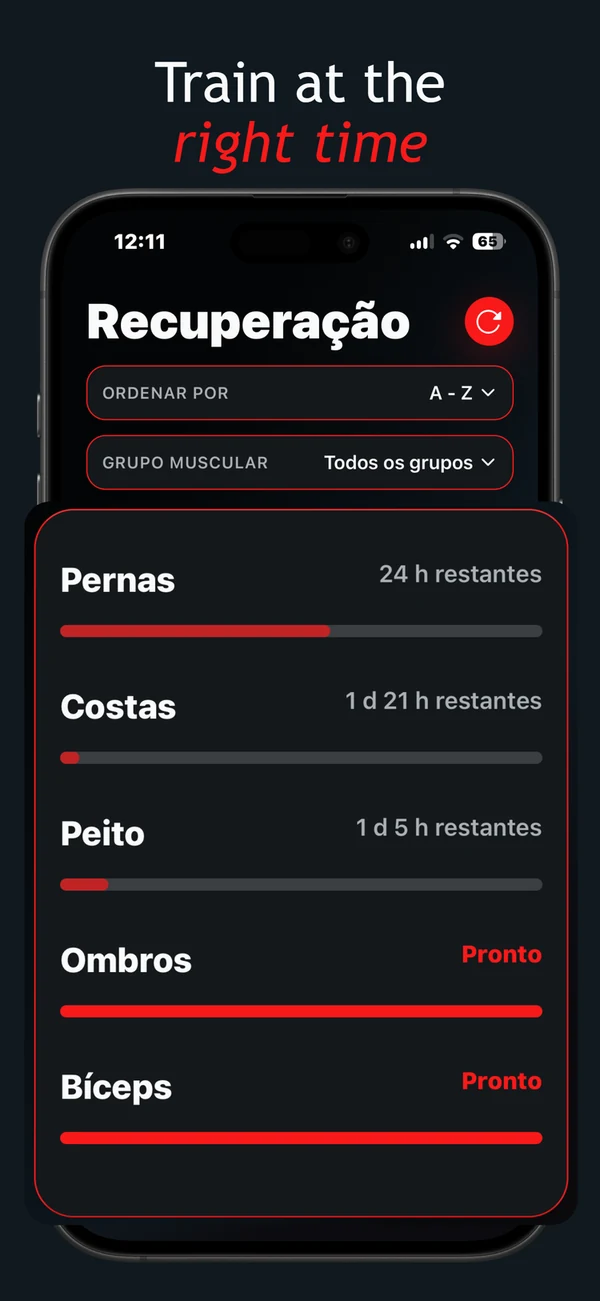
Keep a training log
Forma logs workouts and estimates recovery from recorded activity. Use it as a planning aid alongside your symptoms and training context; it cannot diagnose pain or clear you to train.
Explore FormaFrequently asked questions
How many rest days should I take per week?
There is no universal weekly count. Consider how sessions load the same muscle groups, how demanding they are and how you recover.
Is a rest day the same as doing nothing?
Not necessarily. A rest day can mean complete rest, or active recovery like walking, light cycling or mobility work, which many people tolerate well and even find helpful for how they feel the next day.
Can I train every day if I split muscle groups?
It's possible for the muscles themselves, since a well-designed split lets one muscle group recover while another trains. It doesn't remove the need for overall rest, since sleep, joints, and general fatigue accumulate across the whole week regardless of which muscles worked that day.
What are signs I need more rest?
Persistent fatigue, declining performance or symptoms warrant a review of workload and recovery. They are not specific to overtraining; seek qualified advice if they persist or concern you.